
A Frustrating Problem That's More Common Than You Think
You press the button on your garage door remote, watch the door start its descent, and then — just before it reaches the floor — it reverses direction and goes right back up. If this scenario sounds familiar, you're not alone. This is one of the most common garage door complaints we hear from homeowners in Crystal River and throughout Citrus County.
The good news is that a reversing garage door is usually a safety feature working as intended. The bad news is that something is triggering it when it shouldn't be. Let's walk through the most likely causes, what you can check on your own, and when it's time to call in a professional.
Understanding Your Garage Door's Safety Systems
Before we dive into troubleshooting, it helps to understand why your garage door is designed to reverse in the first place. Modern garage door openers are equipped with two primary safety mechanisms mandated by federal law since 1993:
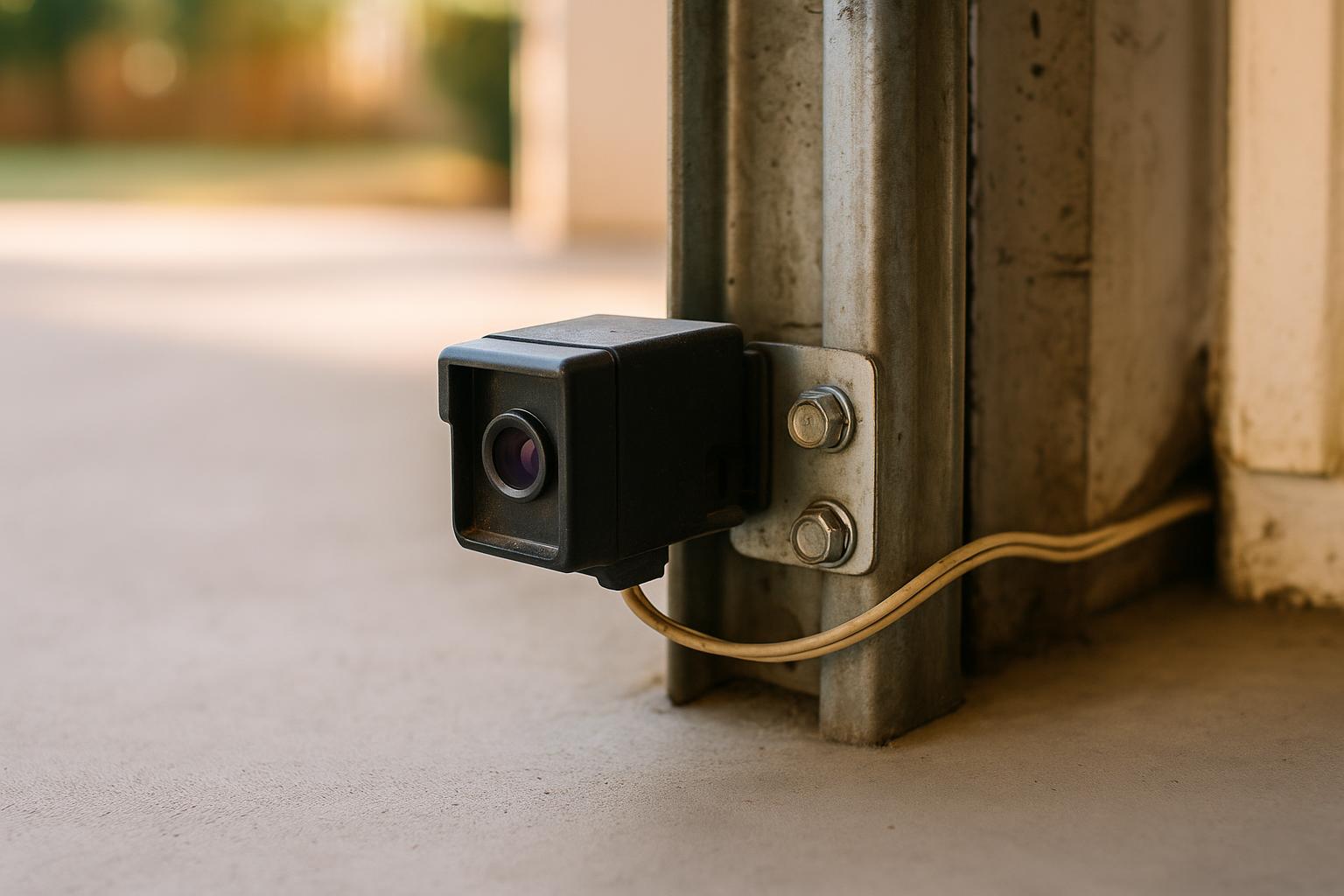
- Photo-eye sensors: These are the small devices mounted near the bottom of your garage door tracks on either side. They project an invisible beam across the opening. If anything breaks that beam while the door is closing, the door reverses immediately.
- Auto-reverse mechanism: This feature detects resistance when the door encounters an object while closing. If the door touches something — or even if the force settings are off — it will reverse to prevent injury or damage.
Both of these systems exist to protect your family, pets, and property. But when they malfunction or get thrown out of alignment, they can make your garage door nearly impossible to close.
The Most Common Causes of a Reversing Garage Door
1. Misaligned Photo-Eye Sensors
This is the number one reason garage doors reverse prematurely. The photo-eye sensors on either side of your garage door opening need to be perfectly aligned to communicate with each other. Over time, vibrations from the door's operation, accidental bumps from bikes or lawn equipment, or even settling of your garage floor can knock them out of alignment.
Here in Crystal River, we also see sensors shift due to the humidity and temperature swings that are common in Florida. When the sensors can't "see" each other, your opener interprets this as an obstruction and reverses the door.
What to check: Look at both sensors. Most models have a small LED light — typically green on one side and amber or green on the other. If one light is blinking or off entirely, that sensor is likely misaligned or malfunctioning. Gently adjust the sensor until the light becomes steady.
2. Dirty or Obstructed Sensor Lenses
Florida's environment means dust, pollen, spider webs, and moisture can accumulate on your sensor lenses quickly. Even a thin layer of grime can weaken the beam enough to cause intermittent reversing issues.
What to check: Wipe both sensor lenses with a soft, dry cloth. Avoid using harsh chemicals. Also clear away any cobwebs, leaves, or debris that might be partially blocking the sensors.
3. Incorrect Close-Force Settings
Your garage door opener has adjustable force settings that determine how much resistance the door should encounter before reversing. If the close-force setting is too low, the door may reverse before it fully reaches the ground simply because it interprets normal contact with the floor as an obstruction.
What to check: Most openers have small adjustment dials or screws on the back or side of the motor unit, often labeled "close force" and "open force." Increasing the close force slightly may solve the problem. However, be cautious — setting the force too high can defeat the safety mechanism, which is dangerous. If you're unsure, this is a good time to call a professional.
4. Damaged or Worn Tracks
If your garage door tracks are bent, dented, or have accumulated rust and debris, the door may encounter resistance as it travels downward. The opener senses this resistance and reverses the door to prevent damage.
What to check: Visually inspect both tracks from top to bottom. Look for visible bends, dents, or gaps between the track and the rollers. You can clean the tracks with a damp cloth, but do not attempt to bend or repair damaged tracks yourself — this can be dangerous and may void your warranty.
5. Broken or Worn Rollers
Garage door rollers wear out over time, especially nylon rollers that see heavy daily use. When rollers crack, chip, or seize up, they create friction and resistance in the tracks. Your opener detects this added resistance and triggers the auto-reverse.
What to check: Look at each roller along the track. If you see cracked, chipped, or visibly worn rollers, they need to be replaced. Roller replacement can involve the high-tension components of your door system, so we recommend having a technician handle this repair.
6. Issues with the Opener's Travel Limits
Your garage door opener uses travel limit settings to determine where the door should stop when fully open and fully closed. If the down-travel limit is set incorrectly, the opener may think the door has traveled too far and reverse it as a precaution.
What to check: Similar to force adjustments, travel limit dials or screws are usually located on the opener unit. Small adjustments to the down-limit setting can help the door close completely. Again, consult your owner's manual or contact a professional if you're not comfortable making these adjustments.
7. Wiring Problems
Frayed, damaged, or loose wiring between the sensors and the opener can send erratic signals that cause unpredictable reversing. Rodents, moisture, and general wear can all damage wiring over time.
What to check: Inspect the wires running from each sensor up to the opener. Look for visible damage, loose connections, or signs of chewing. Wiring repairs should generally be handled by a qualified technician to ensure safety and proper function.
When to Call a Professional
Many of the checks listed above are simple enough for any homeowner to perform. However, there are situations where professional help is the safest and most efficient route:
- You've cleaned and aligned the sensors but the problem persists
- The tracks or rollers are visibly damaged
- You're uncomfortable adjusting force or travel limit settings
- The door makes grinding, scraping, or popping noises during operation
- The problem started suddenly after a storm or power surge
At Crystal River Garage Door Repair, we troubleshoot reversing issues regularly for homeowners across Crystal River, Homosassa, Inverness, and the surrounding communities. In most cases, we can diagnose and fix the problem in a single visit.
Prevent Future Issues with Regular Maintenance
The best way to avoid unexpected garage door problems is with routine maintenance. A professional tune-up once or twice a year can catch misaligned sensors, worn rollers, and other small issues before they turn into bigger headaches. This is especially important in Florida, where heat, humidity, and salt air can accelerate wear on your garage door components.
During a maintenance visit, a technician will inspect and lubricate all moving parts, test the safety systems, check the balance of the door, and make any necessary adjustments. It's a small investment that extends the life of your garage door system and keeps it operating safely.
Don't Ignore a Reversing Garage Door
A garage door that won't close all the way isn't just an inconvenience — it's a security risk. An open garage is an invitation for intruders, pests, and weather damage. If you've tried the basic troubleshooting steps and your door is still reversing, don't let the problem linger. Reach out to a trusted local technician who can get your door back on track quickly and safely.